

BY The Numbers
The Need
- 1 in 3 individuals with low income in Los Angeles experience mental health challenges
- 73K individuals in LA County are experiencing homelessness.
- Of those experiencing homelessness…
- 1 in 2 are also navigating mental health challenges
- 1 in 5 are facing severe mental illness.
Our Impact
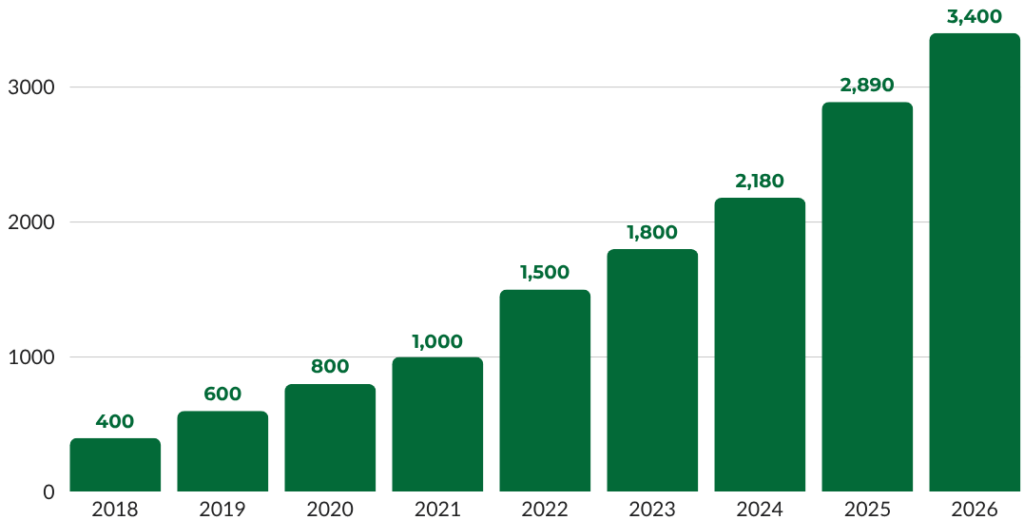
For Fiscal Year 25-26
Clients served by focus area
Mental health consultations
Unarmed 911 incident responses
820 calls/month
Clients served
Client Survey Results
Agreed or strongly agreed that their coping abilities have improved (16% neutral).
Clients agreed or strongly agreed that they felt they were on track to meet their personal goals (17% neutral)
Agreed or strongly agreed that their quality of life has improved (20% neutral)
Outpatient Mental Health
Improvement in quality of life?
71% agree
Improvement in coping ability?
78% agree
On track to meet goals?
73% agree
Environment of mutual respect?
81% agree
Client
Survey Participant
ICMS
Overall, I am satisfied with the services I have received
85% agree
I am better able to manage my overall health and well-being
75% agree
Alcott staff is respectful of my cultural background
88% agree
I feel I am on track to meet my personal goals
71% agree
ICMS-ODR
Overall, I am satisfied with the services I have received
86% agree
I am better able to manage my overall health and well-being
84% agree
Alcott staff is respectful of my cultural background
89% agree
I feel I am on track to meet my personal goals
81% agree
Interim Housing
Overall, I am satisfied with the services I have received
73% agree
I am better able to manage my overall health and well-being
87% agree
Alcott staff is respectful of my cultural background
80% agree
I feel I am on track to meet my personal goals
80% agree
Having low income presents a common obstacle for many community members needing to access necessary mental health care across Los Angeles, and is regularly exacerbated by social phenomena such as stigmatization, discrimination, and/or criminalization. Such socioeconomic barriers often compound, and can quickly lead to revolving doors of vulnerabilities including mental illness, homelessness, substance use, and incarceration.
Over 50% of individuals experiencing homelessness in LA County face mental health challenges (increasing significantly to over 70% for those experiencing chronic homelessness) and nearly 50% face substance use challenges. Moreover, recidivism rates are higher among those facing substance use, mental health, or housing challenges, and increase as vulnerabilities increase. Thus, while mental health affects everyone, there remains disproportionate access to crucial resources and services for those who cannot afford it and/or who often need it most.
As an expert in mental health and supportive housing services, Alcott has long recognized the necessity of robust wraparound services which attend to the whole person as the most effective approach in ensuring mental and housing stability and community wellbeing.
Stay Informed
with Alcott
Subscribe to our newsletter to hear about program updates, community highlights, upcoming events, and exclusive messages from the CEO. We’ll keep you informed with relevant, timely content so you never miss a beat about what’s happening at Alcott, and how Alcott is caring for the underserved in Los Angeles.